
2027年国際園芸博覧会 × 春
GREEN×EXPO2027 × Spring
2027年国际园艺博览会 × 春天

This 28‑day study journey traces a sweeping arc across Japan during the most poetic moment of the year—spring—when landscapes, communities, and cultural sites reveal their fullest expression of renewal. Anchored by multiple in‑depth visits to GREEN×EXPO2027, the International Horticultural Expo in Yokohama, the itinerary invites participants to explore how Japan is imagining a society that coexists with nature and contributes to the SDGs.
这趟为期28天的春季学习之旅,以日本一年中最富生命力的季节为背景,从南到北串联起自然、文化、艺术与地方创生的多重主题。行程的核心是多次深入参访2027年国际园艺博览会,在横滨探索一个以“人与自然共生、积极践行可持续发展目标”为愿景的未来城市。
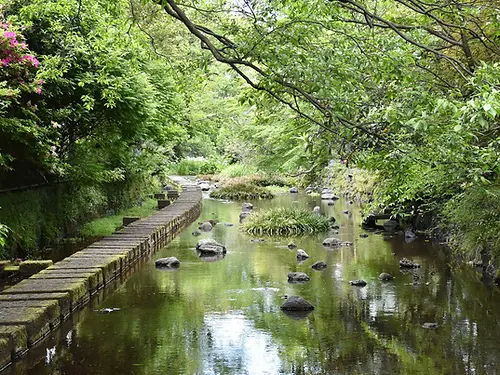
From the foothills of Mt. Fuji to the northern forests of Aomori, the journey unfolds as a curated sequence of encounters with sustainable design, regional revitalization, traditional craftsmanship, and contemporary creativity. Early days bring you to the clear waters of Genbei River, the iconic shoreline of Miho‑no‑Matsubara, and the panoramic Nihondaira Yume Terrace, where architecture and landscape merge into a single horizon. These experiences set the stage for understanding how natural heritage and cultural identity shape Japan's approach to environmental stewardship.
从富士山脚下到青森的森林深处,这段旅程以精心编排的方式呈现日本在可持续设计、地域振兴、传统工艺与当代创意之间的多层次实践。初段行程带领参与者走进源兵卫川的清流、三保松原的海岸线,以及建筑与景观融为一体的日本平梦阳台,让人理解自然遗产与地域文化如何共同塑造日本的环境观。

As the route moves northward, the itinerary deepens into themes of community resilience and cultural continuity. In Ibaraki, the contrast between the futuristic Hitachi Station Sunrise and the historic calm of Kairakuen Garden illustrates how cities negotiate tradition and innovation. In Fukushima, the ancient Miharu Takizakura and the Nicchu Line Weeping Cherry Blossom Trail offer living examples of how landscapes become anchors of collective memory and regional pride.
随着路线向北推进,行程逐渐深入社区韧性与文化延续的主题。在茨城,未来感十足的日立车站日出与历史悠久的偕乐园 形成鲜明对比,展示城市如何在传统与创新之间寻找平衡。在福岛,千年古树三春泷樱与日中线樱花步道让人感受到景观如何成为地域记忆与身份的象征。
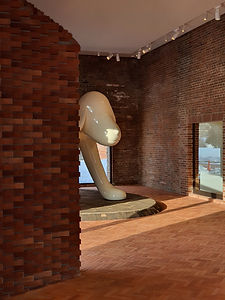
The northern segment of the journey opens into a world of contemporary art and rural creativity. Visits to Aomori Museum of Art, Towada Art Center, Hirosaki Museum of Contemporary Art, and Hachinohe Art Museum reveal how art institutions in Tohoku are redefining cultural infrastructure as engines of local revitalization. The stay at Sukayu Onsen, surrounded by deep mountain forests, provides a contrasting moment of introspection, an immersion into Japan's long tradition of healing landscapes.
旅程的东北段则展开一条以艺术与地方创生为核心的路线。青森县立美术馆、十和田市现代美术馆、弘前红砖仓库美术馆、八户市美术馆等机构展示了东北地区如何以文化基础设施推动地方再生。入住深山中的酸汤温泉则提供了一个沉静的停顿,让参与者体验日本自古以来的“疗愈景观”。


Throughout the itinerary, participants will engage in guided visits, lectures, and on‑site observations designed to illuminate how Japan's regions are responding to demographic shifts, climate challenges, and the need for sustainable tourism. The journey is not only a travel experience but a structured learning program that connects the Expo's global themes with real-world examples across multiple prefectures.
整个行程通过讲座、导览与现场观察,将博览会的宏观主题与各地的实际案例相连,构成一套完整的学习框架。旅程结束时,参与者将对日本如何通过创新与传统共同塑造“未来风景”有更深刻的理解。

Highlights
行程亮点
International Horticultural Exhibition Yokohama 2027
2027年国际园艺博览会
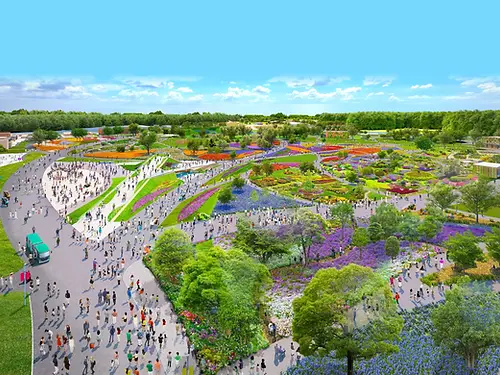
The International Horticultural Expo 2027, Yokohama, Japan, is an international horticultural exposition showcasing the future of sustainable living. It brings together global innovations in landscape design, green cities, food systems, and community resilience, inviting visitors to imagine how nature and urban life can coexist in new ways. Through flowers and greenery, the Expo shares a message of sustainability, friendship, and peace, envisioning a society that coexists with nature and contributes to the SDGs.
2027年国际园艺博览会是一场以“创造幸福的未来风景”为主题的国际园艺盛会。活动汇聚全球在景观设计、绿色城市、食物系统与社区韧性方面的创新,让人们在自然与城市之间看见新的共生可能。博览会借花卉与绿色景观之美传递可持续发展、友谊与和平理念,展望人与自然和谐共处、积极践行可持续发展目标的美好未来。
The Best Sakura, at the Best Time
在最好的时间,遇见最美的樱花
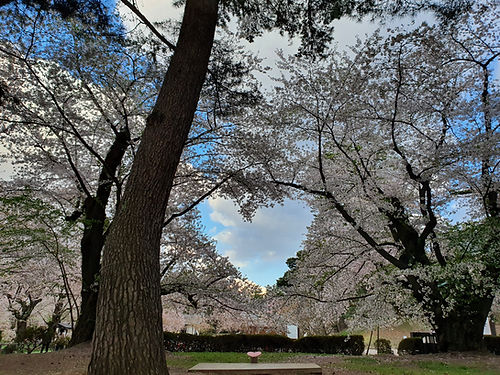
The itinerary meticulously syncs its late-March to late-April timeline with Japan's moving cherry blossom front to guarantee peak viewings across vastly different climates. Participants chase the blooms northward, starting with early-season viewings framing Mount Fuji at Shizuoka's Ryuganbuchi, moving into mid-season wonders like the massive Miharu Takizakura and the weeping blossoms of the Nicchu Line in Fukushima, and capping off the month-long journey under the late-blooming, historic Hirosaki Castle in Aomori.
该行程经过精心设计,将3月底至4月底的时间线与日本“樱前线”的推移完美同步,确保旅客能在不同气候的地域邂逅全盛期的樱花景象。参与者将一路向北追樱:行程始于静冈县的龙岩渊,在此可定格富士山与盛放樱花交织的经典画面;随后深入福岛县,探访名列日本三大巨樱之一的“三春泷樱”,并漫步于日中线的垂樱步道;最终在行程尾声抵达青森县的弘前公园,在历史悠久的古城下,为这场长达一个月的春季追樱之旅画上圆满句号。

Symbolic Onsen Ryokans
具有代表性的温泉旅馆
The itinerary weaves together two of Japan's most significant and defining hot spring heritages to offer deep cultural relaxation. Participants will experience centuries of bathing tradition at the historic Kanaya Ryokan in Shizuoka, renowned for housing the largest and deepest mixed-gender wooden bath in the Izu Peninsula. The journey then moves up to Aomori to feature the legendary Sukayu Onsen, an iconic, remote mountain retreat famous for its massive, historic senninburo ("Thousand-Bather Bath") made entirely of aromatic hiba wood and fed by acidic, therapeutic volcanic waters.
行程融合了日本两处最有代表性的温泉文化遗产,为旅客带来深刻的文化放松体验。参与者将在静冈县历史悠久的金谷旅馆体验数世纪之久的沐浴传统,这里因拥有伊豆半岛最大、最深的男女混浴木质浴池而闻名。随后,旅程将一路向北前往青森县传奇的酸汤温泉。这是一处标志性的世外桃源山中秘境,以其完全由芳香青森桧木打造、可容纳千人同浴的巨型古老浴池“千人風呂”以及具有疗愈功效的酸性火山温泉水而享誉日本。
Luxury Sightseeing Rail Journeys
顶级观光列车之旅
The itinerary elevates travel by featuring the Saphir Odoriko, celebrated as one of Japan's most acclaimed sightseeing trains. Operating along the scenic Izu Peninsula, this premium express train redefines transit with panoramic windows, elegant cafeteria cars, and exclusive all-green-car luxury, turning travel time into a premier coastal highlight.
该行程特别融入了被誉为日本最赞誉的观光列车之一的蓝宝石踊子号。这辆高端特急列车沿风景如画的伊豆半岛行驶,全车配有全景车窗、优雅餐车及全绿车厢配置,将沿途的海岸风光转化为旅程中的顶级奢华享受。


One of Japan's Three Great Gardens
日本三大名园之一
The itinerary weaves in historical landscape artistry by visiting Mito's Kairakuen Garden, celebrated as one of Japan's Three Great Gardens. Built in 1842 under the philosophy of "sharing with the public," this Edo-period circuit garden mirrors the community-focused ethos of the GREEN×EXPO 2027. Participants will experience its masterfully designed Yin and Yang layout, moving from the dark serenity of deep cedar groves into a bright, open clearing of thousands of blossoming trees.
该行程融入了顶级的传统景观艺术,特别造访被誉为日本三大名园之一的偕乐园 。这座建于1842年的江户时代回游式庭园秉持“与民同乐”的理念,完美契合了2027年国际园艺博览会的社区共生主题。参与者将在此体验其精妙的“阴阳”布局,从幽静深邃的杉竹林豁然步入拥有数千株草木的宏大旷野,领略百年的生态与美学智慧。
World Class Architecture
世界级建筑作品
Japan's most iconic designs in one seamless journey, from Mt. Fuji's horizon‑embracing Yume Terrace to the glass‑bright Hitachi Station. Discover cultural centers, dual‑spiral wooden towers, and cutting‑edge museums that turn regional revitalization into art. A curated route where architecture becomes landscape, storytelling, and future vision.
在这段无缝衔接的旅程中,你将邂逅日本最具代表性的建筑设计。从以地平线为画布的日本平梦阳台,到如晨光般透亮的日立车站。沿途串联文化中心、独特的双螺旋木塔,以及以当代建筑推动地方再生的前沿美术馆。这是一条让建筑成为风景、成为故事、成为未来愿景的精选路线。


The symbol of Japan. A World Heritage.
日本的象征。世界遗产。
Unpack the profound spiritual and cultural dimensions that earned this sacred peak its UNESCO designation as an object of faith and artistic inspiration. Trace the history of mountain worship and volcanic science at the Mt. Fuji World Heritage Centre, Shizuoka, and visit the Fujisan Hongu Sengen Taisha Shrine, the traditional gateway for ancient pilgrims. Explore the coastal landscapes of the Miho-no-Matsubara Pine Grove and its Culture & Creativity Center to see how folklore and conservation intersect, before concluding with a panoramic contemplation of the sacred peak from the Nihondaira Yume Terrace.
很多人只知道富士山是日本的象征,却少有人读懂它被联合国教科文组织列入世界遗产的真正原因。它从来不是一座普通的山,而是日本人延续了上千年的信仰归宿,更是浮世绘、和歌等无数经典艺术作品的灵感源头。你可以在世界遗产中心读懂它的信仰与地质故事,在浅间大社踩过古代朝圣者出发的石板路,在三保松原的羽衣松树下触摸天女传说的痕迹,最后在日本平的高台上,看着整座圣山在海面的风里慢慢铺展开来,才算真正读懂了富士山的灵魂。

Modules
单元
01
Urban Planning
城市规划
GREEN×EXPO 2027
Ueno Park
Nicchu Line Weeping Cherry Blossom
2027年国际园艺博览会
上野公园
日中线樱花步道
Urban planning is a specialized field and profession focused on designing spatial layout plans for urban areas to improve social, physical, and environmental conditions. It involves local government frameworks that optimize the form and function of civic spaces.
Through an investigation of GREEN×EXPO 2027, participants analyze how international mega-events serve as master blueprints for next-generation eco-cities that co-exist with nature. The study of Ueno Park shifts the focus to high-density metropolitan design, evaluating how historic civic spaces evolve into vital ecological and cultural lungs for massive urban populations. Finally, the Nicchu Line Weeping Cherry Blossom Trail demonstrates creative linear urban planning, showcasing how a decommissioned railway line can be successfully repurposed into an active public park that restores regional identity and stimulates local economic revitalization.
城市规划是一门专注于设计城市空间布局规划的专业领域,旨在改善社会、物理和环境条件以应对工业化带来的挑战。它涉及由地方政府制定空间与运营框架,以优化城市空间的形态与功能。通过深入参访2027年国际园艺博览会,参与者将分析国际盛会如何成为打造人与自然共生之下一代生态城市的宏伟蓝图。对上野公园的研究则将焦点转向高密度大都市设计,评估历史悠久的公共市民空间如何演变成庞大城市人口赖以生存的重要生态与文化绿肺。最后,日中线樱花步道展示了富有创意的线形城市规划,呈现了如何将一条废弃的铁路线成功改造为充满活力的公共公园,从而重塑地域认同并注入地方经济复苏的新活力。
02
Regional Revitalization
乡村振兴
GREEN×EXPO 2027
Saphir Odoriko
Takumishuku Craft Valley
Miharu Takizakura
Nicchu Line Weeping Cherry Blossom
Aomori Contemporary Art Centre
Towada Art Center
2027年国际园艺博览会
Saphir踊子
匠宿工艺谷
三春泷樱
日中线樱花步道
青森国际艺术中心
十和田市现代美术馆
Regional revitalization aims to address population decline, economic stagnation, and urban overconcentration. In Japan, for example, rural areas face a sharp decrease in young populations, with projections indicating that by 2040, many municipalities could lose over 50% of women in their 20s and 30s if trends continue, threatening the survival of these communities. Revitalization policies seek to redistribute population, create local employment, and maintain vibrant regional economies.
Participants analyze how macro-level sustainable frameworks at GREEN×EXPO 2027 connect with localized efforts across Japan. These local initiatives include channeling urban capital via premium transit on the Saphir Odoriko, modernizing artisan heritage at Takumishuku Craft Valley, and leveraging natural heritage and repurposed infrastructure for community pride at Miharu Takizakura and the Nicchu Line Weeping Cherry Blossom Trail. Finally, the module examines how contemporary art institutions like the Aomori Contemporary Art Centre and Towada Art Center act as powerful civic engines to redefine rural landscapes and spark local revitalization.
地方创生(区域振兴/乡村振兴)旨在解决人口减少、经济停滞以及城市过度集中的问题。以日本为例,农村地区面临着年轻人口急剧减少的困境。据预测,如果这一趋势持续下去,到2040年,许多地方自治体可能会流失50%以上20至30多岁的女性人口,这直接威胁到了这些社区的生存。因此,地方创生政策旨在重新分配人口、创造当地就业机会并维持充满活力的区域经济。
参与者将分析2027年国际园艺博览会的宏观可持续发展框架如何与日本各地的本土实践相结合。这些地方性举措包括:通过Saphir踊子号豪华观光列车发挥引流作用,将城市资本引入地方目的地;在匠宿工艺谷推动传统手工艺的现代化转型,打造可持续的体验式旅游;以及依托三春泷樱与日中线樱花步道的自然遗产与改建基础设施,激发社区自豪感并带动季节性旅游。最后,本单元还将探讨青森国际艺术中心与十和田市现代美术馆等当代艺术机构如何作为强有力的文化基础设施,重塑乡村景观并赋能地方振兴。
03
Natural Heritage Conservation
自然遗产保护
GREEN×EXPO 2027
Genbei River
Ryuganbuchi
Mt. Fuji World Heritage Centre, Shizuoka
Miho-no-Matsubara Pine Grove
Kairakuen Garden
Miharu Takizakura
Nicchu Line Weeping Cherry Blossom
Sukayu Onsen
2027年国际园艺博览会
源兵卫川
龙岩渊
静冈县富士山世界遗产中心
三保松原
偕乐园
三春泷樱
日中线樱花步道
酸汤温泉
The conservation of natural heritage refers to the protection, care, management and maintenance of ecosystems, habitats, wildlife species and populations, within or outside of their natural environments, in order to safeguard the natural conditions for their long-term permanence.
Japan's natural heritage conservation highlights how rivers, coasts, forests, and seasonal landscapes are protected through community stewardship and long-term ecological care. From the restored waters of Genbei River and the sakura-lined Ryuganbuchi, to the coastal pine forests of Miho‑no‑Matsubara and the volcanic ecology interpreted at the Mt. Fuji World Heritage Centre, each site demonstrates a different facet of environmental guardianship. Kairakuen's seasonal horticulture, the ancient Miharu Takizakura, and the Nicchu Line's weeping cherry corridor show how living landscapes require continuous attention, while Sukayu Onsen's high-altitude forests embody Japan's tradition of healing environments. Together, these places reflect a national commitment to sustaining natural beauty in harmony with the GREEN×EXPO 2027 vision of coexistence with nature.
自然遗产保护是指对自然环境内部或外部的生态系统、栖息地、野生动植物物种及种群进行保护、照料、管理和维护,以确保其长期生存的自然条件。
日本的自然遗产保护展现了河川、海岸、森林与季节性景观的长期生态管理与社区守护。从源兵卫川与龙岩渊的水域修复,到三保松原的海岸松林与富士山的火山生态,再到偕乐园的园林养护、三春泷樱与日中线垂枝樱的古树与樱花廊道,以及酸汤温泉周边高山森林的环境维持,这些地点共同体现了日本在自然美景与生态韧性之间取得的平衡,也呼应了2027年国际园艺博览会所倡导的“人与自然共生”愿景。
04
Cultural Heritage Conservation
文化遗产保护
GREEN×EXPO 2027
Mt. Fuji World Heritage Centre, Shizuoka
Fujisan Hongu Sengen Taisha Shrine
Miho-no-Matsubara Pine Grove
Takumishuku Craft Valley
Ueno Park
Kairakuen Garden
Ibaraki Prefectural Archives and History Museum
Sazae-do
Aizu Samurai Mansion
Tsuruga-jo Castle
Aomori Museum of Art
Towada Sakura Yabusame
2027年国际园艺博览会
静冈县富士山世界遗产中心
富士山本宫浅间大社
三保松原
匠宿工艺谷
上野公园
偕乐园
茨城县立历史馆
三匝堂
会津武家屋敷
鹤城
青森县立美术馆
十和田市樱流滴马
The conservation of cultural heritage refers to the measures taken to extend the life of cultural heritage while strengthening transmission of its significant heritage messages and values. In the domain of cultural property, the aim of conservation is to maintain the physical and cultural characteristics of the object to ensure that its value is not diminished and that it will outlive our limited time span.
Japan's cultural heritage conservation protects sacred landscapes, historic architecture, craft traditions, and living rituals as interconnected systems of identity. From Mt. Fuji's spiritual sites and Miho‑no‑Matsubara's coastal landscape to Takumishuku's craft workshops, Ueno Park's cultural commons, and the samurai-era architecture of Sazae‑do, Aizu, and Tsuruga‑jo, each place shows how preservation supports community resilience. Contemporary institutions like the Aomori Museum of Art, Towada Art Center, and Towada Sakura Yabusame extend heritage into modern creativity, illustrating how conservation sustains cultural continuity aligned with GREEN×EXPO 2027.
文化遗产保护指的是为延长文化遗产的寿命,同时加强其重要遗产信息与价值的传承而采取的措施。在文化财产领域,保护的目的在于维护物体的物理与文化特征,以确保其价值不被削弱,并使其生命力能够超越我们有限的生命周期。
日本的文化遗产保护将圣地景观、历史建筑、工艺传统与活态仪式视为彼此关联的身份体系。从富士山的信仰场域与三保松原的海岸景观,到匠宿的工艺传承、上野公园的城市文化公共空间,以及三匝堂、会津武家屋敷与鹤城的武士时代建筑,这些地点共同展示了保存如何支撑社区韧性。当代机构如青森县立美术馆、十和田市现代美术馆与十和田樱流镝更以现代创意延续传统,使文化保护成为与2027年国际园艺博览会的愿景相呼应的持续性文化实践。
05
Art, Architecture and Education
艺术、建筑与教育
GREEN×EXPO 2027
Mt. Fuji World Heritage Centre, Shizuoka
Fujisan Hongu Sengen Taisha Shrine
Miho-no-Matsubara Culture & Creativity Center
Takumishuku Craft Valley
Nihondaira Yume Terrace
Ueno Park
Hitachi Station
Ibaraki Prefectural Archives and History Museum
Mito City Civic Center
Sazae-do
Aomori Contemporary Art Centre
Aomori Museum of Art
Towada Art Center
Towada Public Library
Hirosaki Museum of Contemporary Art
Hachinohe Art Museum
Hachinohe Book Center
2027年国际园艺博览会
静冈县富士山世界遗产中心
富士山本宫浅间大社
静冈市三保松原文化创造中心
匠宿工艺谷
日本平梦阳台
上野公园
日立站
茨城县立历史馆
水户市民会馆
三匝堂
青森国际艺术中心
青森县立美术馆
十和田市现代美术馆
十和田市民图书馆
弘前红砖仓库美术馆
八户市美术馆
八户书本中心
Japan's art, architecture, and education landscapes reveal how creative spaces and cultural infrastructure shape public imagination and regional identity. From the Mt. Fuji World Heritage Centre and Fujisan Hongu Sengen Taisha, where architecture interprets spirituality and environment, to Miho‑no‑Matsubara's creativity center and Takumishuku craft valley, where making becomes learning, each site demonstrates how design fosters cultural continuity. Urban institutions such as Nihondaira Yume Terrace, Ueno Park, Hitachi Station, the Ibaraki Prefectural Archives, and Mito Civic Center show how civic architecture supports public knowledge. In northern Japan, contemporary art museums and libraries, including Aomori Contemporary Art Centre, Aomori Museum of Art, Towada Art Center, Towada Public Library, Hirosaki Museum of Contemporary Art, Hachinohe Art Museum, and Hachinohe Book Center, illustrate how art-led revitalization transforms communities into open classrooms. Together, these places embody the GREEN×EXPO 2027 vision of learning through creativity, space, and cultural engagement.
日本的艺术、建筑与教育体系展现了空间如何成为学习、创造与公共文化的载体。从富士山世界遗产中心与富士山本宫浅间大社以建筑诠释自然与信仰,到三保松原文化创意中心与匠宿工艺谷以“制作”作为学习,再到日本平梦阳台、上野公园、日立车站、茨城县立历史馆与水户市民中心等城市文化基础设施,以开放空间支持公共知识与市民参与;而青森国际艺术中心、青森县立美术馆、十和田市现代美术馆、十和田市民图书馆、弘前当代美术馆、八户市美术馆与八户书本中心则展示了当代艺术如何推动区域再生,使社区成为开放的学习场域。整体而言,这些地点共同体现了2027年国际园艺博览会所倡导的以创造力、空间与教育连接人与地域、自然与社会的未来文化愿景。
06
Agriculture & Horticulture
农业与园艺
GREEN×EXPO 2027
2027年国际园艺博览会
Agriculture and horticulture at GREEN×EXPO 2027 highlight how Japan's food systems, plant cultures, and landscape traditions shape sustainable futures. The Expo's Farm & Food Village and Reiwa Japanese Garden showcase the deep relationship between people and plants, demonstrating traditional horticultural techniques, seasonal cultivation aligned with the 24 solar terms, and innovations in food production that support well‑being and ecological resilience. Visitors encounter immersive exhibits on ikebana, bonsai, and plant‑based cultural practices, alongside demonstrations of agricultural technologies addressing global environmental challenges. Together, these experiences reveal how Japan's agricultural wisdom and horticultural artistry contribute to a regenerative vision of living with nature.
在2027年国际园艺博览会中,农业与园艺被视为连接自然、文化与未来生活方式的重要基础,通过展示日本在粮食生产、植物文化与景观营造上的智慧,呈现人与土地的共生关系。展区以“农与食村”与“令和日本庭园”为核心,结合传统农耕技艺、二十四节气的季节栽培、可持续园艺设计与新型农业科技,让访客理解从土壤到餐桌的生态循环;同时透过盆栽、插花、庭园营造等植物文化,展现日本园艺美学的细腻与生命力。整体而言,该模块强调农业与园艺不仅是生产系统,更是文化与生态的共同实践,体现了博览会所倡导的再生型未来与自然共生的生活方式。
07
Community Development
社区发展
Genbei River
Aomori Contemporary Art Centre
Hachinohe Book Center
源兵卫川
青森国际艺术中心
八户书本中心
Community development emerges through places where citizens, creators, and local institutions actively shape shared environments and cultural life. Genbei River demonstrates how grassroots ecological restoration can transform a polluted waterway into a vibrant public space, strengthening community pride and everyday connection to nature. In Aomori, the Aomori Contemporary Art Centre shows how artist residencies and participatory projects cultivate dialogue, creativity, and regional identity, turning contemporary art into a catalyst for social engagement. Meanwhile, the Hachinohe Book Center illustrates how accessible knowledge spaces, blending bookstore, library, and civic forum, can nurture literacy, local publishing, and community interaction. Together, these sites reveal how environmental stewardship, cultural production, and public learning form interconnected pathways for sustainable and resilient community development.
社区发展体现在居民、创作者与公共机构共同塑造生活环境与文化生态的过程中。源兵卫川的复兴展示了基层力量如何通过清水恢复、生态修复与公共空间再生,让一条曾经污染的河流重新成为社区的共享舞台,强化人与自然的连结;青森国际艺术中心以驻地创作与社区参与为核心,通过艺术实践推动对地方身份、社会议题与未来可能性的讨论,使艺术成为促进社区对话与创造力的引擎;八户书本中心则以书店、图书馆与市民交流空间的混合形式,培育阅读文化、支持地方出版,并为居民提供开放的知识平台。三者共同展示了环境治理、文化生产与公共学习如何交织成可持续的社区发展路径。
08
Public-Private Partnership
公私合作
GREEN×EXPO2027
Takumishuku Craft Valley
2027年国际园艺博览会
匠宿工艺谷
Public–Private Partnership (PPP) is a collaborative model in which governments, private companies, and communities combine their strengths to deliver public services, infrastructure, and local development more effectively by sharing resources, responsibilities, and risks. At GREEN×EXPO2027, government agencies work with designers, horticultural specialists, and private-sector partners to create large-scale gardens and educational zones that require shared investment and coordinated management. In Takumishuku Craft Valley, municipal support and local artisans jointly sustain traditional craftsmanship and develop creative industries. Together, these cases show how PPP models enable resource sharing, innovation, and long-term cultural and regional development.
公私合作是一种由政府、企业与社区共同协作,通过资源整合、责任分担与风险共担来提升公共服务、基础设施与地方发展的合作模式。2027年国际园艺博览会通过政府部门与设计团队、园艺专家、企业伙伴的合作,打造大型教育园区与永续展示空间,体现跨部门协作在资源整合与长期运营中的关键作用;而匠宿工艺谷则以地方工匠、民间企业与市政府的协作为基础,通过传统技艺传承、创意产业培育与社区参与,形成自下而上的区域再生模式。两者共同说明公私协力如何在不同规模中促进创新、共享资源,并推动文化与地方的可持续发展。
09
Public Space
公共空间
Genbei River
Ueno Park
Hitachi Station
Mito City Civic Center
Tsuruga-jo Castle Park
Towada Public Library
Hirosaki Park
源兵卫川
上野公园
日立站
水户市民会馆
鹤城公园
十和田市民图书馆
弘前公园
Public space defines how people move, gather, and experience community, and each site on this journey highlights a distinct form of shared civic life. Genbei River demonstrates how ecological restoration can create walkable, communal environments; Ueno Park shows how cultural institutions and open lawns form an accessible urban commons; and Hitachi Station illustrates how transportation architecture can serve as a transparent public gateway. Facilities like the Mito City Civic Center support everyday learning and interaction, while historic landscapes such as Tsuruga‑jo Castle Park preserve cultural memory through open public grounds. In northern Japan, Towada Public Library and Hirosaki Park anchor community identity through reading culture and seasonal nature. Together, these spaces reveal how design, ecology, and culture shape vibrant and inclusive public realms.
公共空间塑造了人们在城市与自然中的移动、停留与交流方式,而沿途的各个地点展现了不同形式的共享生活场景。源兵卫川以生态复兴打造可步行的社区水岸,上野公园以文化设施与开放绿地形成城市公共文化核心,日立车站以透明的交通建筑连接城市与海景,水户市民中心以多功能空间支持市民学习与文化活动,鹤ヶ城公园以历史景观提供开放的文化记忆场域,十和田图书馆与弘前公园则以阅读文化与季节性自然强化地方认同。它们共同展示了公共空间如何通过设计、生态与文化让城市与社区更具活力与包容性。
10
Regional Development
区域开发
Takumishuku Craft Valley
Aomori Gokan
匠宿工艺谷
青森五馆
Regional development grows from the strengths of local culture and coordinated community investment. Takumishuku Craft Valley shows how traditional craftsmanship can drive creative industry, sustain small businesses, and revitalize local economies. Aomori Gokan, a network of major cultural institutions, demonstrates how strategic cultural infrastructure can enhance regional identity, attract visitors, and support long-term community engagement. Together, these cases highlight how heritage, creativity, and collaboration shape sustainable regional futures.
区域发展源自地方文化的力量与持续性的公共投入。匠宿工艺谷展示了传统工艺如何成为地方产业的核心,通过工匠、企业与市政府的协作,推动技艺传承与创意经济的成长;而青森五馆以五大文化设施的联动为特色,通过博物馆与艺术中心的整合投资,强化区域文化认同并吸引长期的公众参与。两者共同说明地方如何以文化资源、协作机制与创意能量,构筑可持续的区域未来。
11
Transport Infrastructure
交通基础设施
Saphir Odoriko
Tohoku Shinkansen
Saphir踊子
东北新干线
This module explores how rail systems drive national connectivity and regional economic growth. The Tohoku Shinkansen illustrates the macro impact of high‑speed transit, showing how rapid inter‑regional linkage decentralizes commerce and strengthens long‑distance industrial logistics. In contrast, the Saphir Odoriko provides a focused model of premium, destination‑oriented mobility that channels high‑value urban tourism directly into regional economies. Together, these examples reveal how infrastructure strategy shapes both nationwide cohesion and targeted regional development.
本模块探讨先进铁路网络与以交通为导向的空间设计如何成为国家连通性、区域凝聚力与经济增长的关键驱动力。通过东北新干线,参与者将理解高速交通如何通过快速连结区域促使商业活动分散化等宏观层面的影响,并强化跨区域的产业物流体系;而 Saphir踊子则提供目的地导向型高端交通的范例,展示精致旅运体验如何将高价值的都市旅游消费直接导入地方经济。两者共同揭示交通基础设施如何同时塑造国家尺度的连通性与区域层面的发展动能。
12
City Branding
城市品牌
Aizu-Wakamatsu City
Towada City
Hirosaki City
Hachinohe City
会津若松市
十和田市
弘前市
八户市
City branding reveals how municipalities articulate identity, heritage, and cultural vision to shape public perception and attract long‑term engagement. Aizu‑Wakamatsu City builds its brand through samurai heritage and historical continuity, positioning tradition as a living civic narrative. Towada City leverages contemporary art and landscape design to craft a forward‑looking cultural image centered on creativity and openness. Hirosaki City anchors its identity in seasonal beauty and craftsmanship, using cherry blossoms, castle grounds, and regional culture to project a refined, nature‑infused brand. Hachinohe City emphasizes everyday culture, fisheries, and community vitality, presenting an authentic, citizen‑driven regional character. Together, these cities demonstrate how distinct cultural assets and strategic storytelling shape recognizable, resilient urban identities.
城市品牌展示了地方如何通过文化资产、历史叙事与公共愿景来塑造独特的城市形象并吸引长期关注。会津若松市以武士文化与历史传承为核心,将传统转化为当代城市身份。十和田市借由当代艺术与景观设计,打造开放、前瞻的文化形象。弘前市以四季景观、工艺文化与城郭遗产构筑自然与美学交织的城市气质。八户市则以渔港文化、日常生活力与市民参与形成真实而充满生命力的地方品牌。四座城市共同展示了文化资源与叙事策略如何塑造鲜明、可持续的城市认同。
Proposed Itinerary
暂定行程
Essential Information
基本信息
Dates 24th March 2027 ~ 20th April 2027
Maximum number of participants 13 people (including one team leader)
Minimum number of participants 2 people (excluding team leader)
Time and Venue of Assembly 09:00 24th March 2027, Narita International Airport
Time and Venue of Dismissal 09:00 20th April 2027, Narita International Airport
Basic Plan (excluding flights)
JPY 630000/pax or RM 16699/pax or CNY 27399/pax or SGD 5199/pax
Application deadline 22nd February 2027
Please note that people with poor physical condition, those who use wheelchairs or other equipment, those with mental or physical disabilities, pregnant women, those who may become pregnant, those who are accompanied by assistance dogs for the physically handicapped (guide dogs, hearing dogs, service dogs), and other people who need special consideration may not participate.
Besides, participants under the age of 18 are required to submit a written consent from their parent or guardian. Parent or guardian for participants under the age of 15 are required to appoint an adult companion for the journey. Please download, print, fill in, and submit the consent here.
日期 2027年3月24日~2027年4月20日
人数 1名带队人员,含带队人员总共不超过13人
最低成团人数 不含带队人员2人
集合时间和地点 2027年3月24日9时于成田国际机场
解散时间和地点 2027年4月20日9时于成田国际机场
基础套餐(不含往返机票)
JPY 630000/人 或 RM 16699/人 或 CNY 27399/人 或 SGD 5199/人
报名截止日期 2027年2月22日
本次行程运动强度较大,因此身体状况不佳者、使用轮椅或其他设备者、精神或身体残疾者、孕妇、可能怀孕者、由肢体残疾人协助犬(导盲犬、助听犬、服务犬)陪同者以及其他需要特殊考虑的人员,不予参加,望您谅解。
另外,18岁以下的出行者须提交亲权人的书面同意。15岁以下出行者的亲权人必须指定一名成人陪同出行者一同参加旅程。请在此下载、打印、填写并提交未成年人旅行亲权人同意书及委托书。