


持続可能なコミュニティ
Sustainable Communities
可持续社区

Across Japan's changing coastlines, high-altitude mountains, and quietly resilient rural towns, a quiet revolution in community living is unfolding. This 10-day field-based exploration serves as an academic and experiential bridge, inviting discerning travelers, sustainability practitioners, and global scholars to step inside Japan's most progressive "living laboratories."
沿着日本层叠变幻的海岸线、高海拔连绵山脉与沉静生长的乡野聚落,一场关于社区可持续生活的变革,正悄然铺展。这趟10天实地探索之旅,在严谨学术研究与在地深度体验之间搭建起专属联结的桥梁,欢迎富有远见的旅行家、可持续发展领域从业者与全球学者,共同走进日本最前沿的“生活实验室”。
Moving far beyond conventional tourism, this highly curated itinerary blends the rigor of a field study with the refined, immersive comfort of a sustainable journey. Participants will not merely observe these changes from a distance, they will walk the organic fields, engage in high-utility dialogue with local visionaries, and analyze the delicate socioeconomic systems that allow human communities to thrive in direct harmony with nature, culture, and technological innovation.
这趟经过精心策划的行程,完全区别于传统观光旅行,将专业实地考察,与可持续旅行的精致沉浸式舒适体验深度融合。参与者绝非远距离的观察者,将亲身踏入有机田野,与在地深耕多年的实践者展开高效深度对话,拆解那些让可持续社区在自然、文化与科技创新维度和谐共生、蓬勃生长的独特社会经济生态。


The journey begins with an exploration of modern ecological urbanism, evaluating the advanced public-private partnerships and closed-loop infrastructure driving carbon neutrality at the renowned Fujisawa Sustainable Smart Town.
旅程以现代生态城市主义探索为起点,参与者将实地探访享誉国际的藤泽可持续发展智慧城市,深度剖析其如何通过前沿公私协作模式与闭环基础设施体系,稳步推进碳中和目标落地。
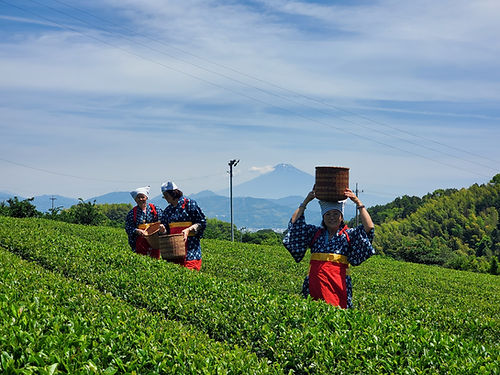
From there, the focus shifts to regenerative agriculture and intentional living, spending dedicated days with the Konohana Family and touring Shizuoka's centuries-old tea plantations. Here, participants will study how community-supported farming serves as a viable framework for social cohesion and ecological balance.
随后转向再生农业与具备使命感的社区生活方式:通过木之花社区的沉浸式驻留体验,以及对静冈百年茶园的系统性考察,深入研究社区支持型农业作为推动社会凝聚力、维护生态平衡的落地框架的实际运行逻辑。
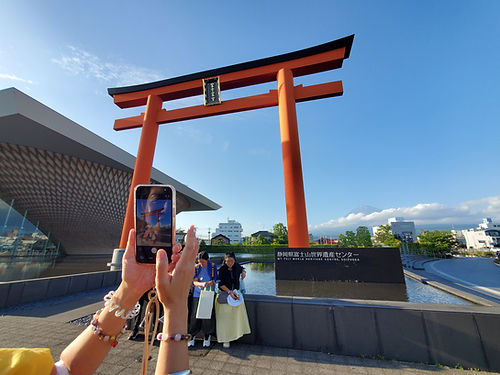
The journey also features heritage and adaptive reuse, highlighted by visits to the Mt. Fuji World Heritage Centre and the award-winning HOTA Elementary School project, a former school masterfully transformed into a vibrant hub for regional economic revitalization.
行程同时覆盖遗产保护与闲置空间活化领域,核心节点包含对静冈县富士山世界遗产中心的访问,以及对屡获殊荣的“道之驿保田小学”项目的视察,了解一所闲置乡村小学,如何通过精准设计改造,成为激活地方经济活力的乡村振兴标杆项目。
Spanning a unique geographic trajectory across Tokyo, Fujisawa, Shizuoka, Mt. Fuji, Yokohama, and the Boso Peninsula, the journey provides a sophisticated blend of world-class cultural immersion and rigorous fieldwork. It is a rare opportunity to witness firsthand how Japan's regional communities are crafting visionary, scalable blueprints for a regenerative global society.
路线横跨东京、藤泽、静冈、富士山、横滨与房总半岛,勾勒出独有的地理探索轨迹,将世界级文化浸润与严谨田野调查高度统一。对于渴望亲眼见证日本各区域如何为全球再生社会,编织具备前瞻性、可复制性发展蓝图的智识群体而言,这是一次难得的研学机遇。


Highlights
行程亮点

The symbol of Japan. A World Heritage.
日本的象征。世界遗产。
Unpack the profound spiritual and cultural dimensions that earned this sacred peak its UNESCO designation as an object of faith and artistic inspiration. Trace the history of mountain worship and volcanic science at the Mt. Fuji World Heritage Centre, Shizuoka, and visit the Fujisan Hongu Sengen Taisha Shrine, the traditional gateway for ancient pilgrims. Explore the coastal landscapes of the Miho-no-Matsubara Pine Grove and its Culture & Creativity Center to see how folklore and conservation intersect, before concluding with a panoramic contemplation of the sacred peak from the Nihondaira Yume Terrace.
很多人只知道富士山是日本的象征,却少有人读懂它被联合国教科文组织列入世界遗产的真正原因。它从来不是一座普通的山,而是日本人延续了上千年的信仰归宿,更是浮世绘、和歌等无数经典艺术作品的灵感源头。你可以在世界遗产中心读懂它的信仰与地质故事,在浅间大社踩过古代朝圣者出发的石板路,在三保松原的羽衣松树下触摸天女传说的痕迹,最后在日本平的高台上,看着整座圣山在海面的风里慢慢铺展开来,才算真正读懂了富士山的灵魂。
A Model for Intentional Communities
共识社区的典范
Spend two nights immersed in a thriving, multi-generational ecovillage of roughly 100 members at the foot of Mt. Fuji, analyzing a highly successful blueprint for non-bloodline community living founded in 1994. Engage in high-utility dialogues on social enterprise, financial pooling, and mutual support frameworks that drive their collective harmony. Participants will study their radical food self-sufficiency model which spans 20 hectares of farmland producing 99% of their own food across 300 crop varieties.
在富士山脚下这座存续近30年、成员规模约100人的多代际成熟生态村沉浸式驻留两晚,系统拆解这一创立于1994年、完全突破血缘纽带的非亲缘社区运营标杆样本。面对面深度对话社区核心管理者,解锁社会企业运营、集体资金统筹、互助共生体系的核心运行机制。实地探访20公顷有机农田,调研覆盖300个作物品种、实现99%食物自给的突破性可持续农业模式,获取可直接复用的实践经验。


A City with a 100-Year Vision
百年愿景的智慧城市
Analyze the public-private partnership and long-term urban master plan driving a 100-year sustainable lifestyle vision at the Fujisawa Sustainable Smart Town. Built on a former Panasonic factory site, this real-world living laboratory is designed to evolve across three generations. Participants will evaluate how the town integrates decentralized smart infrastructure, renewable microgrids, and EV-sharing networks to achieve severe carbon reduction goals. The field study focuses on the town's unique management model, observing how corporate tech solutions and active resident engagement intersect to organically scale a resilient, future-proof urban ecosystem.
深入剖析推动藤泽可持续发展智慧城市迈向100年可持续生活愿景的前沿公私合作(PPP)模式与长期城市总体规划。这座建立在松下电器工厂旧址上的现实世界“生活实验室”,旨在实现跨越三代人的有机演进。参与者将实地评估该城镇如何整合分布式智能基础设施、可再生微电网以及电动汽车共享网络,以达成严苛的减碳目标。本次研学核心聚焦于该项目的独特管理模式,探讨企业科技解决方案与居民主动参与如何深度交融,从而有机重塑一个具备高韧性、面向未来的城市生态系统。
A Masterclass in Circular Agro-Tourism
循环农业旅游标杆
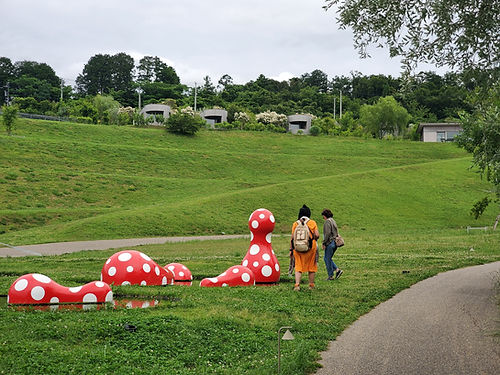
Evaluate the symbiotic frameworks of organic agriculture, sustainable art, and eco-hospitality at Kurkku Fields, a premier 30-hectare sustainable farm in Chiba. Participants will analyze circular food production, animal manure composting networks, and the innovative water filtration system which purifies wastewater using plants and microorganisms. The field study examines how the park runs on a robust, disaster-resilient mega-solar microgrid while seamlessly integrating world-class contemporary art installations with upscale social entrepreneurship.
深入评估这座位于千叶县、占地30公顷的克鲁克田野农场如何将有机农业、可持续艺术和生态接待完美融合。参与者将系统剖析其循环食品生产链与禽畜粪便堆肥网络,并现场考察利用植物与微生物天然净化废水的生态净水滤池系统。本次实地研学还将重点探讨该园区如何依靠具备防灾韧性的大型太阳能微电网实现能源自给,同时将世界级的当代艺术装置与高端社会企业商业模式无缝连接。

From Farm to Cup
从农场到茶杯
Experience the entire journey of Japanese green tea production through a hands-on field visit. Walk the terraced hillsides of Shizuoka to pick fresh tea leaves alongside local farmers while learning traditional harvesting methods. Next, head inside for a factory tour to see how modern machines steam and roll the leaves to preserve their flavor and quality. End the session with a guided tasting led by a local tea instructor, where you will learn to appreciate different flavor profiles and see how traditional tea farms are reinventing themselves through boutique eco-tourism.
通过亲身体验的实地探访,完整领略静冈茶的生产全过程。漫步于静冈错落有致的沿海梯田上,与当地茶农一同采摘新鲜茶叶,学习传统的收割技艺。随后走进茶厂,亲眼见证现代机械如何通过精准的蒸青与揉捻工序来锁住茶叶的风味与品质。最后,在当地茶道指导员的引领下进行一场向导式品茗会,学习如何鉴赏不同的风味细节,并切身感受传统茶园如何通过高端生态精品旅游焕发新生。
A Masterpiece of Adaptive Reuse
空间活化的范例
Explore how a shuttered 126-year-old school in Chiba's Boso Peninsula was transformed into a bustling michi-no-eki (roadside station). Tour repurposed classrooms and gymnasiums now operating as local markets, nostalgic eateries, and unique accommodations featuring original school desks. See how this creative upcycling project unites residents and travelers to drive rural revitalization.
见证千叶县房总半岛如何将一所有着126年历史的废弃小学,巧妙改造为充满活力的“道之驿”(公路服务区驿站)。漫步于重新赋能的校园空间,旧教室与体育馆如今已变身为当地特产市场、供应怀旧学校午餐的特色餐厅,以及保留了原有黑板和课桌椅的独特住宿客房。亲身体验这一创意改建项目如何成功连接在地居民与远方游客,从而强力激活乡村经济的复兴。


Japan's first urban gondola
日本首座都市空中缆车
Ride Japan's premier urban ropeway gliding 40 meters above the futuristic Minato Mirai canals, connecting Sakuragicho Station to Unga Park.
乘坐日本首条都市型空中索道,在距离地面40米的高空跨越港未来运河,无缝连接樱木町站与运河公园。

Modules
单元
01
Urban Planning
城市规划
Fujisawa Sustainable Smart Town
藤泽可持续发展智慧城市
Urban planning is a specialized field and profession focused on designing spatial layout plans for urban areas to improve social, physical, and environmental conditions. It involves local government frameworks that optimize the form and function of civic spaces.
As a primary case study, the Fujisawa Sustainable Smart Town illustrates these principles in action. Built on a former factory site through an innovative public-private partnership, this living laboratory utilizes a 100-year master plan to drive its sustainable lifestyle vision. The community integrates a renewable microgrid, solar-powered infrastructure, and corporate-civic governance to achieve substantial carbon reduction, showcasing a scalable blueprint for future-proof urban ecosystems.
城市规划是一门专注于设计城市空间布局规划的专业领域,旨在改善社会、物理和环境条件以应对工业化带来的挑战。它涉及由地方政府制定空间与运营框架,以优化城市空间的形态与功能。作为本单元的核心案例,藤泽可持续发展智慧城市生动展示了这些规划原则的实际应用。这座建立在工厂旧址上的“生活实验室”通过前沿的公私合作模式(PPP),利用一项长达100年的总体规划来驱动其可持续的生活方式愿景。该社区高效整合了可再生能源微电网、太阳能智能基础设施以及企业与居民共治的治理模式,从而实现了大幅度的减碳,为构建高韧性、面向未来的城市生态系统提供了可复制的蓝图。
02
Regional Revitalization
乡村振兴
Shizuoka City Decentralized Hotel BIRUPAKU
Roadside Station HOTA Elementary School
Kurkku Fields
静冈市分散型住宿【BIRUPAKU】
都市交流设施【道之驿 保田小学】
克鲁克田野农场
Regional revitalization aims to address population decline, economic stagnation, and urban overconcentration. In Japan, for example, rural areas face a sharp decrease in young populations, with projections indicating that by 2040, many municipalities could lose over 50% of women in their 20s and 30s if trends continue, threatening the survival of these communities. Revitalization policies seek to redistribute population, create local employment, and maintain vibrant regional economies.
This module explores the innovative frameworks driving rural economic renewal and community resilience across Japan's changing demographics by examining how creative upcycling, social entrepreneurship, and decentralized tourism can combat urban decline. Using three distinct, award-winning case studies, participants will evaluate how BIRUPAKU converts vacant city-center commercial properties into scattered boutique accommodations to stimulate downtown foot traffic, how the Roadside Station HOTA Elementary School upcycles a shuttered 126-year-old campus into a highly profitable michi-no-eki and civic market, and how Kurkku Fields blends organic agriculture with world-class contemporary art to create a thriving, circular agro-tourism model. Together, these sites demonstrate how local heritage and modern innovation can be synthesized to build scalable, regenerative regional micro-economies.
地方创生(区域振兴/乡村振兴)旨在解决人口减少、经济停滞以及城市过度集中的问题。以日本为例,农村地区面临着年轻人口急剧减少的困境。据预测,如果这一趋势持续下去,到2040年,许多地方自治体可能会流失50%以上20至30多岁的女性人口,这直接威胁到了这些社区的生存。因此,地方创生政策旨在重新分配人口、创造当地就业机会并维持充满活力的区域经济。
本单元深入探究在日本人口结构转型的背景下,推动乡村经济复苏与社区韧性构建的创新框架,重点分析创意改建、社会创业和分布式旅游如何有效应对城市衰退。通过三个屡获殊荣的案例,参与者将了解静冈市分散型散落式酒店BIRUPAKU如何将市中心闲置的商业房产转化为分散式的精品住宿,以此激发老城区的街区活力与商圈人流;考察道之驿保田小学如何将一所有着126年历史的废弃校园创意改建为极具盈利能力的公路驿站与居民集市;并剖析克鲁克田野农场如何将有机循环农业与世界级当代艺术艺术无缝融合,打造出蓬勃发展的闭环生态农业观光模式。这三个核心案例共同展示了如何将本土文化遗产与现代创新理念有机结合,从而构筑起可复制、具再生能力的区域微观经济体。
03
Natural Heritage Conservation
自然遗产保护
Mt. Fuji World Heritage Centre, Shizuoka
Miho-no-Matsubara Pine Grove
静冈县富士山世界遗产中心
三保松原
The conservation of natural heritage refers to the protection, care, management and maintenance of ecosystems, habitats, wildlife species and populations, within or outside of their natural environments, in order to safeguard the natural conditions for their long-term permanence.
自然遗产保护是指对自然环境内部或外部的生态系统、栖息地、野生动植物物种及种群进行保护、照料、管理和维护,以确保其长期生存的自然条件。
04
Cultural Heritage Conservation
文化遗产保护
Mt. Fuji World Heritage Centre, Shizuoka
Fujisan Hongu Sengen Taisha Shrine
Miho-no-Matsubara Pine Grove
Takumishuku Craft Valley
Toro Site
Shizuoka City Museum of History
静冈县富士山世界遗产中心
富士山本宫浅间大社
三保松原
匠宿工艺谷
登吕遗迹
静冈市历史博物馆
The conservation of cultural heritage refers to the measures taken to extend the life of cultural heritage while strengthening transmission of its significant heritage messages and values. In the domain of cultural property, the aim of conservation is to maintain the physical and cultural characteristics of the object to ensure that its value is not diminished and that it will outlive our limited time span.
文化遗产保护指的是为延长文化遗产的寿命,同时加强其重要遗产信息与价值的传承而采取的措施。在文化财产领域,保护的目的在于维护物体的物理与文化特征,以确保其价值不被削弱,并使其生命力能够超越我们有限的生命周期。
05
Art, Architecture and Education
艺术、建筑与教育
Mt. Fuji World Heritage Centre, Shizuoka
Nihondaira Yume Terrace
Shizuoka City Serizawa Keisuke Art Museum
Shizuoka City Museum of History
Roadside Station HOTA Elementary School
Kurkku Fields
静冈县富士山世界遗产中心
日本平梦阳台
静冈市立芹泽銈介美术馆
静冈市历史博物馆
都市交流设施【道之驿 保田小学】
克鲁克田野农场
This module investigates how avant-garde structural design and curated visual arts can preserve cultural narratives and serve as tools for alternative education. Through six award-winning case studies, participants will analyze how Shigeru Ban's timber-latticed Mt. Fuji World Heritage Centre, Shizuoka enhances natural history curation, how Kengo Kuma's geometric local-timber design at the Nihondaira Yume Terrace elevates landscape integration, and how Seiichi Shirai's stone design at the Serizawa Keisuke Art Museum deepens the appreciation of textile art. The study further examines how SANAA's contemporary Shizuoka City Museum of History bridges ancient archaeology with modern civic space, how the adaptive reuse of the Roadside Station HOTA Elementary School upcycles a 126-year-old school into an experiential roadside station, and how Kurkku Fields embeds world-class contemporary art into a sustainable farm park to serve as a canvas for environmental education.
本单元深入探讨前沿的空间结构设计与策展视觉艺术如何保护文化叙事,并作为替代性教育的创新工具。通过六个杰出案例,参与者将欣赏坂茂设计的木格栅倒圆锥体静冈县富士山世界遗产中心如何升华自然历史的策展维度;探讨隈研吾在日本平梦阳台采用的几何局部木结构设计如何提升景观的融合度;并剖析白井晟一在芹泽銈介美术馆采用的石造建筑设计如何深化大众对纺织工艺的鉴赏。本单元还将进一步考察建筑事务所SANAA设计的现代静冈市历史博物馆如何连接古代考古遗址与现代公共空间,评估道之驿保田小学的传奇空间活化项目如何将一所有着126年历史的学校创意改建为体验式公路休息站,以及研究克鲁克田野农场如何将世界级当代艺术无缝嵌入可持续农场公园中,使其成为环境教育的生动画布。
06
Sustainable Agriculture
可持续农业
Konohana Family
Shizuoka Tea Plantation
Kurkku Fields
木之花社区
静冈茶园
克鲁克田野农场
Sustainable agriculture is a farming approach that protects soil, water, and biodiversity while supporting resilient communities and long‑term food security, exemplified by the Konohana Family's holistic, low‑input communal farming in Shizuoka, the Shizuoka tea plantations' blend of traditional terracing and ecological cultivation, and Kurkku Fields' regenerative organic systems that integrate compost cycles, biodiversity restoration, and education.
可持续农业是一种在满足当下粮食需求的同时,保护土壤、水源、生物多样性并维持社区韧性的农业方式;例如静冈的木之花家族以整体性、低投入的共同农耕实践土地疗愈与社区共生,静冈茶园通过传统梯田工法与生态耕作减少化学投入、守护山地水土,克鲁克田野农场则以有机再生农业、堆肥循环、生境修复与教育活动,展示农业、文化与永续如何在同一片土地上共存。
07
Community Development
社区发展
Fujisawa Sustainable Smart Town
Konohana Family
藤泽可持续发展智慧城市
木之花社区
Community development is a collaborative process in which people, local organizations, and institutions work together to strengthen resources, improve living conditions, expand opportunities, and build a community capable of long‑term self‑growth and resilience. Fujisawa Sustainable Smart Town, for example, residents co‑create energy‑efficient living and social programs. Konohana Family, communal governance and shared agricultural practices demonstrate how collective participation can shape a thriving, self‑sustaining community.
社区发展是一项协作过程,居民、在地组织与机构共同投入,以强化地方资源、改善生活条件、拓展机会并提升社区的自我成长与长期韧性。例如藤泽可持续发展智慧城市透过居民参与、节能生活与社区服务共创未来城市的永续模式,而木之花社区则以共同治理、共享农业与深度社区连结,展现一个能够自我运作、自我支持的永续共同体。
08
Public-Private Partnership
公私合作
Fujisawa Sustainable Smart Town
Takumishuku Craft Valley
Roadside Station HOTA Elementary School
藤泽可持续发展智慧城市
匠宿工艺谷
都市交流设施【道之驿 保田小学】
Public–Private Partnership (PPP) is a collaborative model in which governments, private companies, and communities combine their strengths to deliver public services, infrastructure, and local development more effectively by sharing resources, responsibilities, and risks. This approach is illustrated by Fujisawa Sustainable Smart Town, where government, corporations, and residents co‑create an energy‑efficient, community‑driven urban environment; Takumishuku Craft Valley, where public agencies and private craft enterprises work together to revive traditional craftsmanship and build a creative local economy; and Roadside Station HOTA Elementary School, where a former school is transformed through public–private collaboration into a multifunctional community hub that supports tourism, local business, and regional revitalization.
公私合作是一种由政府、企业与社区共同协作,通过资源整合、责任分担与风险共担来提升公共服务、基础设施与地方发展的合作模式;例如藤泽可持续发展智慧城市以政府、企业与居民共同打造节能住宅、智慧社区与永续生活方式,匠宿工艺谷透过公部门与民间工艺产业的协力推动传统工艺复兴与地方文化经济再生,道之驿保田小学则以PPP方式将废校转型为社区据点、观光与地方创生平台,展现公私协作如何在不同地区创造创新与永续的公共价值。
09
Industry-Academia-Government Collaboration
产官学结合
Fujisawa Sustainable Smart Town
藤泽可持续发展智慧城市
Industry–Academia–Government Collaboration is a cooperative framework in which universities, public institutions, and private companies jointly develop knowledge, technology, and policies to solve social challenges and drive regional innovation. A clear example is Fujisawa Sustainable Smart Town, where researchers, government agencies, and corporations co‑create energy‑efficient housing, community services, and urban systems, demonstrating how shared expertise can accelerate sustainable city development.
产学官合作是一种由产业界、学术机构与政府共同参与,通过知识共享、技术研发与政策支持来解决社会课题、推动区域创新的协作模式;以藤泽可持续发展智慧城市为例,企业提供技术与运营经验、大学贡献研究与评估能力、政府负责制度设计与公共协调,三方共同打造节能住宅、智慧社区服务与永续城市系统,展现产学官合作在推动未来城市发展中的关键作用。
10
Regional Development
区域开发
Takumishuku Craft Valley
匠宿工艺谷
Regional development is the process of strengthening a region's economy, culture, and quality of life by mobilizing local resources, industries, and community identity; Takumishuku Craft Valley exemplifies this by revitalizing traditional craftsmanship, nurturing new artisans, and building a creative industry ecosystem that boosts local livelihoods while preserving cultural heritage.
区域发展是一项通过整合地方资源、文化资产与产业力量来提升地区经济活力、生活品质与长期韧性的过程;以匠宿工艺谷为例,当地以传统工艺为核心,结合政府支持与民间创意,推动技艺复兴、培育匠人、发展文化体验与创意产业,使工艺成为带动社区经济、文化再生与区域魅力提升的关键引擎。
11
Social Entrepreneurship
社会企业
Shizuoka City Decentralized Hotel BIRUPAKU
Kurkku Fields
静冈市分散型住宿【BIRUPAKU】
克鲁克田野农场
Social entrepreneurship is the practice of creating businesses or initiatives that generate social and environmental value alongside financial sustainability. It focuses on solving community challenges through innovative, mission‑driven models. Shizuoka City's decentralized hotel BIRUPAKU demonstrates this by transforming vacant urban spaces into distributed hospitality facilities that revitalize neighborhoods and support local businesses, while Kurkku Fields integrates organic farming, ethical production, and experiential learning to build a regenerative ecosystem where social impact and creative enterprise grow together.
社会企业是一种以创新方式解决社会与环境问题,同时兼顾财务自立与永续影响的商业模式。它强调以使命驱动的方式创造公共价值。静冈市分散式酒店BIRUPAKU透过活化闲置空间、串联在地商家,将城市更新与旅宿体验结合,带动社区经济;而克鲁克田野农场以有机农业、伦理生产与教育体验构建再生生态系统,让社会价值与创意产业在同一片土地上共同成长。

Proposed Itinerary
暂定行程
Essential Information
基本信息
Dates 5th May 2027 ~ 14th May 2027
Maximum number of participants 20 people (including one team leader)
Minimum number of participants 4 people (excluding team leader)
Time and Venue of Assembly
Day 1 09:00 Narita International Airport
Day 1 11:00 Tokyo International Airport
Time and Venue of Dismissal
Day 10 14:00 Narita International Airport
Basic Plan (excluding flights)
JPY 262000/pax or RM 6799/pax or CNY 11499/pax or SGD 2199/pax
Application deadline 30 days before date of departure
Please note that people with poor physical condition, those who use wheelchairs or other equipment, those with mental or physical disabilities, pregnant women, those who may become pregnant, those who are accompanied by assistance dogs for the physically handicapped (guide dogs, hearing dogs, service dogs), and other people who need special consideration may not participate.
Besides, participants under the age of 18 are required to submit a written consent from their parent or guardian. Parent or guardian for participants under the age of 15 are required to appoint an adult companion for the journey. Please download, print, fill in, and submit the consent here.
日期 2027年5月5日~2027年5月14日
人数 1名带队人员,含带队人员总共不超过20人
最低成团人数 不含带队人员4人
集合时间和地点
第一天9时于成田国际机场
第一天11时于东京国际机场
解散时间和地点
第十天14时于成田国际机场
基础套餐(不含往返机票)
日元 262000/人 或 6799令吉/人 或 人民币11499元/人 或 2199新元/人
报名截止日期 行程首日30天前
本次行程运动强度较大,因此身体状况不佳者、使用轮椅或其他设备者、精神或身体残疾者、孕妇、可能怀孕者、由肢体残疾人协助犬(导盲犬、助听犬、服务犬)陪同者以及其他需要特殊考虑的人员,不予参加,望您谅解。
另外,18岁以下的出行者须提交亲权人的书面同意。15岁以下出行者的亲权人必须指定一名成人陪同出行者一同参加旅程。请在此下载、打印、填写并提交未成年人旅行亲权人同意书及委托书。