


瀬戸内アート島
Art Islands in Setouchi
濑户内艺术岛

Art Islands in Setouchi invites travelers into one of Japan's most extraordinary cultural landscapes, where world‑class art meets the serene beauty of the Inland Sea.
被誉为「世界最值得一去的艺术圣地」的濑户内海艺术群岛,作为日本极具代表性的标志性文化景观之一,将世界级当代艺术与濑户内海的静谧自然禀赋深度融合,构建了体系化的沉浸式文化体验场景。
Across Naoshima, Teshima, and Inujima, museums designed by visionary architects, iconic installations by global artists, and revitalized villages create a journey that feels both sophisticated and deeply restorative. This is a destination where creativity is not confined to galleries, it spills into coastlines, gardens, old houses, and the gentle rhythm of island life.
行程覆盖直岛、丰岛、犬岛三座核心岛屿,由先锋建筑师主导设计的专题美术馆、国际顶尖艺术家创作的标志性公共艺术装置,以及通过在地活化完成更新的传统村落,共同构成了兼具专业艺术质感与深度疗愈属性的路线。
与传统美术馆集群不同,该区域的艺术创作完全打破了白盒子空间的边界,将创意表达延伸至公共海岸线、原生庭院、历史民居乃至岛屿日常的生活肌理之中,实现了艺术与在地空间的共生。


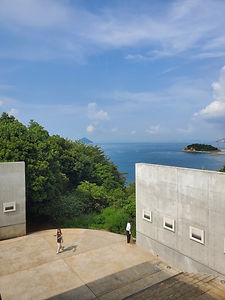
Visitors wander through Ando‑designed museums carved into hillsides, encounter Kusama's playful sculptures by the water, and step into immersive spaces shaped by light, silence, and nature.
访客可穿行于安藤忠雄以地貌融合手法打造的坡地美术馆空间,在滨水区域与草间弥生的标志性公共雕塑形成互动,逐步进入由光影、声场与自然环境共同塑造的沉浸式艺术场域。
Each island offers its own character: Naoshima's refined architectural presence, Teshima's organic and contemplative atmosphere, and Inujima's powerful reinterpretation of industrial ruins. Ferries connect these experiences, turning travel itself into a meditative drift across silver water.
三座岛屿各自形成了清晰的差异化定位:直岛以系统性的当代建筑集群为核心特色,丰岛构建了以自然感知为核心的冥想式艺术氛围,犬岛则完成了工业遗产向当代艺术空间的先锋性转译。岛屿间的渡轮交通网络串联起所有体验节点,使得跨岛行程本身也成为一种具备仪式感的慢行体验。


Setouchi is ideal for travelers seeking meaningful, aesthetically rich experiences. It combines culture, nature, and design in a way that feels effortless and deeply memorable. Whether you are an art lover, a design enthusiast, or simply someone who appreciates quiet beauty, the Art Islands in Setouchi offer a journey that stays with you long after you return home.
濑户内海艺术群岛精准适配追求深度文化价值与高质感美学体验的高端客群,实现了文化艺术、自然生态与先锋设计的高度协同,形成了低门槛、高记忆点的独特文旅模式。无论你是建筑系学生、设计从业者、艺术爱好者,或是想体验日本最独特文化路线的旅人,这趟旅程都将成为你最难忘的灵感来源。

Highlights
行程亮点

Three Generations of Japanese Pritzker Laureates
三代日本普利兹克建筑奖得主的世代传承
This itinerary functions as a living masterclass in Japanese spatial philosophy by tracing the generational lineage of the Pritzker Architecture Prize across distinct architectural modules. The narrative begins with modernism's patriarch, Kenzo Tange (1987 Laureate), whose Kagawa Prefectural Government Office East Building structuralizes traditional timber post-and-beam frameworks using raw civic concrete. This evolves into the solemn, heavy underground geometries and poetic voids of Tadao Ando (1995 Laureate) explored through iconic Naoshima landmarks like the Chichu Art Museum, Benesse House Museum, and the Naoshima New Museum of Art. The lineage then shifts into the weightless, transparent 21st-century architectural style of the duo SANAA (2010 Laureates), whose signature fluid borders and light materials are showcased at Umi no Eki Naoshima and the Junko Fukutake Terrace.
本行程如同一场探索日本空间哲学演变的有形大师课,通过独特的建筑单元,悉数呈现了三代普利兹克建筑奖得主的世代传承。叙事始于现代主义教父丹下健三(1987年得主),其作品香川县厅东馆利用质朴的城市清水混凝土,精妙地重塑了传统木结构建筑的梁柱框架;随后演变为安藤忠雄(1995年得主)那深沉、凝重的地下几何学与诗意留白,并结合直岛上的地中美术馆、倍乐生之家美术馆及全新的直岛新美术馆进行深度解构;最终,这一建筑脉络跨入21世纪,转向建筑师组合SANAA(2010年得主)轻盈、通透的流动美学,并在海之驿直岛与福武纯子Terrace中展现其标志性的模糊边界与轻质材料。
World-Class Art Masterpieces
世界顶尖艺术作品
Beyond its architectural perspectives, this itinerary guides you through an extraordinary collection of landmark works by historical and contemporary creative visionaries, turning the region into an integrated physical canvas. Within the subterranean concrete chambers of the Chichu Art Museum, you will stand before Claude Monet's late Water Lilies series, illuminated purely by natural daylight that shifts with the outdoor weather and passage of time. The historical artistic narrative extends to the Higashiyama Kaii Setouchi Art Museum, showcasing the master of Japanese landscape painting against the backdrop of the sea that inspired his strokes. This legacy blends seamlessly into visceral avant-garde installations, from the immersive light illusions of James Turrell and Walter De Maria's geometric spatial layouts to Christian Boltanski's haunting, living archive of global human heartbeats at Les Archives du Cœur.
除了震撼的建筑视角,本行程更带您领略一系列由历史与当代创意先锋打造的里程碑式杰作,将整个区域化为一幅有形的流动画布。在地中美术馆由混凝土筑起的地下展厅内,您将伫立于克劳德·莫奈晚期的《睡莲》系列作品前,感受纯自然光线下随着户外天气与时间流逝而变幻万千的色彩。这一艺术历史叙事还延伸至东山魁夷濑户内美术馆,在激发大师创作灵感的蔚蓝大海背景下,展现其笔下的日本风景画精髓。这份文化底蕴与触动心灵的前卫装置艺术完美交融,无论是詹姆斯·特瑞尔沉浸式的光影幻象、沃尔特·德·玛利亚极具几何张的空间布局,还是克里斯蒂安·波尔坦斯基在心脏音资料馆永久保存的全球人类心跳档案,都将带给您震撼的感官共鸣。


Top Japanese Gardens
日式庭园的巅峰
This itinerary anchors your contemporary design exploration in centuries-old landscape philosophies by featuring two of Japan's most celebrated cultural property strolling gardens: Takamatsu's Ritsurin Garden and Okayama's Korakuen Garden. At Ritsurin Garden, a three-starred destination in the Michelin Green Guide Japan, you will encounter 1,400 meticulously manicured pine trees shaped over generations like living bonsai sculptures, utilizing Mount Shiun as borrowed scenery (shakkei) alongside a quiet pause for matcha at the lakeside Kikugetsutei teahouse. In contrast, Korakuen Garden, officially ranked among Japan's three premier traditional gardens (Nihon Sanmeien), offers an open expanse of sweeping wide lawns and cascading streams framed against the backdrop of Okayama Castle, altogether demonstrating how traditional garden choreography directly informs modern architectural design principles.
本行程将您对当代设计的探索根植于延续数世纪的景观哲学中,特别呈献两座日本最负盛名的文化财产回游式庭园:高松的栗林公园与冈山的后乐园。在荣获《米其林绿色指南·日本》三星盛誉的栗林公园内,您将邂逅1400棵历经数代人悉心修剪、宛如打破盆钵限制的巨大活盆景般的老松,并领略以紫云山为背景的极致“借景”艺术,随后在湖畔的掬月亭静享一盏抹茶。相比之下,被誉为日本三大名园之一的后乐园则呈现出截然不同的开阔与明朗,大片的草坪与潺潺溪流在冈山城的雄伟背景下徐徐展开。这两座历史名园共同展示了传统园林的动线编排与空间对仗,是如何直接启迪并深远影响着现代建筑的空间设计原则。
Japan's top gold smelter by volume
日本产能最大的黄金冶炼厂
While Naoshima is globally celebrated for art, this itinerary pulls back the curtain on its hidden backbone of ecological engineering at the Mitsubishi Materials Naoshima Smelter & Refinery. Historically built with an oriental-leading gold production capacity, this world-class facility highlights how heavy industrial recycling and modern design coexist. The focus centers on its pioneering, zero-emission recycling systems that extract pure bullion from urban electronic waste and scrap metals.
直岛不仅因当代艺术享誉全球,本行程更带您揭开这座岛屿隐藏的生态工程支柱——三菱综合材料直岛冶炼厂。该厂在历史上曾以冠绝远东的金生产能力而奠定基石,如今这座世界级设施则展示了重工业回收与现代环保设计的独特共存。行程的焦点在于其先锋的零排放循环系统,该系统能高效地从城市电子垃圾与废旧金属中提炼出纯金等贵金属。


The Microcosm of Shikoku
四国的缩影
Shikokumura Museum distills the spirit of Shikoku into a single hillside village. Traditional homes and cultural structures from across Japan's fourth‑largest island are gathered and preserved here, offering travelers a compact journey through centuries of craftsmanship and rural life. With thoughtful architectural additions by Kawazoe and Ando, Shikokumura becomes a living microcosm of Shikoku itself, a place where heritage, landscape, and design enrich our journey with depth and authenticity.
四国村以一座山坡上的小村落,浓缩了整座四国岛的精神。来自日本第四大岛屿各地的传统民居与文化建筑在此被悉心迁建与保存,让旅人得以在短短一段步行中穿越数百年的匠艺与乡野生活。加上川添善行与安藤忠雄的建筑点缀,四国村成为真正的“四国缩影”。在这里,历史、风景与设计交织,为我们的旅程增添更深层的文化质感与地域故事。
Onsen as Art
温泉也是艺术
This itinerary redefines the traditional Japanese bathing ritual by framing public baths as immersive art environments through two contrasting creative design approaches. At the avant-garde Naoshima Bath (I♥湯) designed by artist Shinro Ohtake, visitors soak inside a living, multi-sensory pop-art collage of vibrant tiles, neon lights, and eclectic sculptures. In stark contrast, Takamatsu's Busshozan Onsen represents hyper-minimalist 21st-century modernism, utilizing floor-to-ceiling glass paneling and a sleek layout to treat light and architectural simplicity as a meditative form of art.
本行程通过两种截然不同的创意设计手法,将传统的日本沐浴仪式重塑为沉浸式的艺术环境。在由艺术家大竹伸朗(Shinro Ohtake)设计的前卫直岛钱汤(I♥湯),您将浸泡在一个由色彩斑斓的瓷砖、霓虹灯光和光怪陆离的雕塑构成的活生生、多感官的波普艺术拼贴世界中;与此形成鲜明对比的是,高松的佛生山温泉则代表了21世纪的极简主义现代感,它巧妙地利用落地玻璃面板与流线型的空间布局,将光影变化与建筑的纯粹骨架转化为一种冥想式的艺术形态。


Modules
单元
01
Kenzo Tange
丹下健三
Kagawa Prefectural Government Office East Building
香川县厅东馆
Kenzo Tange stands at the foundation of modern Japanese architecture, a visionary who reshaped the nation's identity in the decades after the Second World War. His Kagawa Prefectural Government Office East Building is one of the clearest expressions of his philosophy, a bold yet disciplined structure that merges modernist clarity with the warmth of local materials and the rhythm of traditional Japanese spatial order. Completed in 1958, the building demonstrates how Tange bridged global architectural movements with regional culture, creating a civic landmark that still feels forward‑looking today.
丹下健三是日本现代建筑的奠基者,他以大胆的结构语言与深厚的文化意识,重新定义了战后日本的城市与公共空间。位于高松的香川县厅东馆是他理念最具代表性的作品之一。建筑以清晰的现代主义构成为骨架,却融入木材、格栅、庭院等日本传统元素,使公共机构呈现出既庄重又温暖的气质。1958年落成的东馆至今仍被视为日本地方政府建筑的典范,展现了丹下如何在全球现代主义与地域文化之间找到平衡。
02
Tadao Ando
安藤忠雄
Shikokumura Museum Gallery
Benesse House Museum
Chichu Art Museum
Minamidera
Naoshima New Museum of Art
四国村博物馆画廊
倍乐生之家美术馆
地中美术馆
南寺
直岛新美术馆
Tadao Ando is one of Japan's most influential contemporary architects, known for his precise use of concrete, natural light, and elemental geometry. A self‑taught designer and 1995 Pritzker Prize laureate, Ando creates spaces that invite stillness and sharpen perception.
Across this itinerary, travelers encounter Ando's work in a sequence that defines the architectural character of the Art Islands: the Shikokumura Museum Gallery, where minimalism frames vernacular heritage; Benesse House Museum, merging art with the sea; Chichu Art Museum, an underground sanctuary shaped by light; Minamidera, created with James Turrell to explore darkness and vision; and the Naoshima New Museum of Art, extending his quiet architectural language into the present. Together, these works reveal Ando's lifelong pursuit of contemplative spaces that deepen the relationship between people, art, and landscape.
安藤忠雄是日本当代建筑的核心人物,以清水混凝土、自然光与极简几何构成独特的空间语言。作为1995年普利兹克奖得主,他以自学者的敏锐与诗性,将建筑转化为一种静默而深度的体验。
在本行程中,旅人将依次走进他的代表作:四国村资料馆以极简建筑重新框定传统;倍乐生之家美术馆让艺术与海景融为一体;地中美术馆以地下空间与自然光塑造沉思的节奏;南寺与詹姆斯·特瑞尔合作,以黑暗与光线重塑感知;直岛新美术馆则延续他在岛上的建筑语汇,以更轻盈的方式展开。这些作品共同构成安藤在濑户内的建筑轨迹,让旅程在光、影与海之间获得独特的精神深度。
03
Yoshio Taniguchi
谷口吉生
Marugame Genichiro Inokuma Museum of Contemporary Art
Higashiyama Kaii Setouchi Art Museum
丸龟市猪熊弦一郎现代美术馆
香川县立东山魁夷濑户内美术馆
Yoshio Taniguchi is a master of museum architecture, best known internationally for his stunning 2004 redesign of the Museum of Modern Art (MoMA) in New York City. The son of legendary architect Yoshiro Taniguchi, Yoshio refined a signature style that fuses the crisp, geometric lines of Western mid-century modernism with the profound stillness and spatial awareness of traditional Japanese Zen philosophy.
The itinerary explores his architectural mastery through two contrasting, site-specific institutions in Kagawa. The Marugame Genichiro-Inokuma Museum of Contemporary Art (MIMOCA), a spacious grid-like "health resort for the spirit" designed in close collaboration with the artist himself, and the elegant, Higashiyama Kaii Setouchi Art Museum, which features a custom gray-green exterior and a cafe window that precisely frames the blue waves of the Seto Inland Sea alongside the Great Seto Bridge.
谷口吉生是当代博物馆建筑领域的殿堂级大师,其最瞩目的国际代表作便是纽约现代艺术博物馆(MoMA)的扩建设计。作为日本一代建筑巨匠谷口吉郎之子,谷口吉生将西方中世纪现代主义的利落几何线条,与日本传统禅宗哲学中对静谧、空间意识的追求完美融合,形成了其大巧若拙、冷峻而深邃的个人风格。
行程通过香川县两座截然不同且因地制宜的文化地标来全面视察他的空间掌控力。一座是紧邻车站的丸龟市猪熊弦一郎当代美术馆(MIMOCA),这是他与艺术家本人深度合作打造的网格状“精神疗养所”,将整座建筑转化为统一的三维立体艺术品。另一座则是优雅的香川县立东山魁夷濑户内美术馆,建筑外墙覆盖着呼应日本画大师东山魁夷标志性青绿色调的定制灰绿色石材,其馆内咖啡厅的落地窗更犹如一个完美的画框,将濑户内海的碧波与濑户大桥的宏伟弧线精准定格。
04
SANAA
妹岛和世 + 西泽立卫
Junko Fukutake Terrace
Umi no Eki Naoshima
Anabuki Arena Kagawa
福武纯子Terrace
海之驿直岛
香川穴吹竞技场
Founded in 1995 by Kazuyo Sejima and Ryue Nishizawa, the Tokyo-based studio SANAA is celebrated globally for its ethereal, lightweight, and ultra-minimalist architecture. Winners of the prestigious 2010 Pritzker Architecture Prize, the duo is famous for erasing the boundaries between inside and outside, using glass and steel to create structures that feel almost weightless and completely democratic.
The itinerary explores their collaborative fluid design across three diverse regional interventions. Umi no Eki Naoshima, a sleek maritime ferry terminal with an ultra-flat, mirror-polished steel roof canopy that blends seamlessly with the sea breeze. The Junko Fukutake Terrace, a winding campus pavilion featuring a sinuous, undulating steel roof and glazed glass walls that act as an open open-concept community space. The landmark Anabuki Arena Kagawa on Takamatsu's waterfront, honoured with the UNESCO 2025 Prix Versailles as the World's Most Beautiful Arena, utilizes a sweeping, single-sheet stainless steel roofline that mimics the gentle waves of the Seto Inland Sea.
SANAA建筑设计事务所由妹岛和世与西泽立卫于1995年在东京创立。他们凭借空灵、轻盈、极致极简的建筑风格享誉全球,并于2010年荣获建筑界最高荣誉——普利兹克建筑奖。SANAA擅长模糊建筑内外的界限,通过对玻璃和钢材的绝妙运用,创造出仿佛没有重量、且对所有人完全开放的民主化建筑空间。
行程通过三个不同的区域性公共干预实例,全面视察他们合作的流动美学设计。海之驿直岛,这座流线型的海运渡轮码头拥有极薄且镜面抛光的钢结构屋顶大棚,与海风融为一体。福武纯子Terrace,这座蜿蜒的校园展馆拥有曲折起伏的钢制屋顶与全玻璃幕墙,构筑出一个完全开放式的社区交流空间。而坐落于高松海滨的地标性建筑香川穴吹竞技场,该场馆荣获了联合国教科文组织联合设立的凡尔赛建筑大奖2025年评选的“全球最美体育馆”盛誉,其采用连绵起伏的单张不锈钢屋顶线条,惟妙惟肖地模拟出濑户内海的温柔波浪。
05
Ryue Nishizawa
西泽立卫
Teshima Art Museum
丰岛美术馆
Ryue Nishizawa is an acclaimed Japanese architect and co-founder of the avant-garde studio SANAA, alongside Kazuyo Sejima, with whom he shared the 2010 Pritzker Architecture Prize. Celebrated for his weightless, transparent, and fluid spatial philosophies, Nishizawa's independent solo work pushes boundaries by dropping traditional structural walls to merge human design seamlessly with nature.
The Teshima Art Museum, his crowning solo masterpiece created in collaboration with artist Rei Naito, is a breathtaking, shell-like structure made of white concrete that mimics a single, organic droplet of water resting on the island landscape. Dropping all traditional interior pillars, the pillarless pavilion features two massive open-air elliptical skylights that invite wind, rain, changing light, and native birds directly inside. The architecture functions not as an isolated container, but as a living ecosystem that shifts dynamically with the atmospheric moods of the Seto Inland Sea.
西泽立卫是享誉国际的日本建筑大师,也是先锋建筑事务所SANAA的联合创始人。他与妹岛和世共同荣获了2010年普利兹克建筑奖。西泽立卫以其轻盈、通透且流动的空间哲学闻名于世;而在他的独立个人作品中,他更进一步打破常规,摒弃了传统的结构性隔墙,将人类的设计天衣无缝地融于自然之中。
他最具代表性的个人独立杰作丰岛美术馆是与艺术家内藤礼携手打造的艺术圣地。这座令人叹为观止的纯白混凝土薄壳建筑,宛如一颗落在海岛田野间的有机水滴。展馆内部没有使用一根传统的柱子,开阔的无柱空间顶部留有两个巨大的椭圆形露天大天窗,任由清风、雨水、变幻的光影以及海岛飞鸟直接进入馆内。这里的建筑不再是一个孤立的艺术品容器,而是一个与濑户内海的天气脉搏共同呼吸、动态变化的活生生的生态系统。
06
Sambuichi Hiroshi
三分一博志
Inujima Seirensho Art Museum
Naoshima Hall
犬岛精炼所美术馆
直岛大会堂
Hiroshi Sambuichi is a visionary Japanese architect acclaimed for his site-specific, earth-centric design philosophy that treats air currents, solar paths, and geothermal forces as primary building materials. Rather than depending on mechanical systems, Sambuichi spends months closely researching local microclimates to craft zero-energy architecture that breathes naturally with its environment.
This module explores his sustainable engineering through two landmark public sites. The zero-energy Inujima Seirensho Art Museum, which breathes life into the brick ruins of an abandoned 100-year-old copper refinery using a subterranean solar trench and a chimney-driven thermal pull to regulate climates entirely without electricity. Naoshima Hall, a grand civic community hub featuring a sweeping plaster roof precisely contoured to harness local wind paths and an innovative ceiling slit that draws cool air upward from surrounding well-water gardens.
三分一博志是一位极具远见的日本建筑大师。他以因地制宜、顺应地球动能的建筑哲学而享誉国际,将空气对流、太阳轨迹和地热资源视为最核心的建筑材料。三分一博志不依赖机械系统,而是会花费数月时间对当地的微气候进行极为严谨的实地全天候考察,从而打造出能够随着自然环境自由呼吸的零能耗生态建筑。
本单元通过两个里程碑式的公共设施来观察他的可持续设计。一座是实现完全零能耗的犬岛精炼所美术馆,他利用地下太阳能地道和巨大的砖砌烟囱热虹吸效应,在完全不消耗电力的情况下调节馆内温湿度,让一座荒废百年的铜精炼厂砖墙废墟重获生命。另一座则是直岛上的居民生活核心直岛会堂,这座宏伟的社区公民中心拥有一面经过精准计算空气动力学的巨大传统灰泥白屋顶,巧妙配合了本村地区的自然风向,并通过独特的天窗缝隙将周围井水庭园的冷空气向上抽取,实现自然的空气循环。
Proposed Itinerary
暂定行程
Essential Information
基本信息
Dates Available all year round
Maximum number of participants 15 people (including one team leader)
Minimum number of participants 1 people (excluding team leader)
Time and Venue of Assembly Day 1 Kansai International Airport
Time and Venue of Dismissal Day 10 Kansai International Airport
Basic Plan (excluding flights)
JPY 194000/pax ~ JPY 260000/pax
RM 5199/pax ~ RM 6899/pax
SGD 1599/pax ~ SGD 2199/pax
CNY 8499/pax ~ CNY 11399/pax
Special note on price Price may fluctuate and are adjustable according to requests and preferences, you may receive an accurate price by completing the registration form.
Application deadline 30 days before date of departure
Please note that people with poor physical condition, those who use wheelchairs or other equipment, those with mental or physical disabilities, pregnant women, those who may become pregnant, those who are accompanied by assistance dogs for the physically handicapped (guide dogs, hearing dogs, service dogs), and other people who need special consideration may not participate.
Besides, participants under the age of 18 are required to submit a written consent from their parent or guardian. Parent or guardian for participants under the age of 15 are required to appoint an adult companion for the journey. Please download, print, fill in, and submit the consent here.
日期 全年开放
人数 1名带队人员,含带队人员总共不超过15人
最低成团人数 不含带队人员1人
集合时间和地点 第一天于关西国际机场
解散时间和地点 第十天于关西国际机场
基础套餐(不含往返机票)
日元 194000/人 ~ 日元 260000/人
5199令吉/人 ~ 6499令吉/人
1599新元/人 ~ 2199新元/人
人民币8499元/人 ~ 人民币11399元/人
关于价格特别提醒 价格有可能根据季节等因素浮动并且可以根据要求而调整,您可以通过提交报名表格获得准确的报价。
报名截止日期 行程首日30天前
本次行程运动强度较大,因此身体状况不佳者、使用轮椅或其他设备者、精神或身体残疾者、孕妇、可能怀孕者、由肢体残疾人协助犬(导盲犬、助听犬、服务犬)陪同者以及其他需要特殊考虑的人员,不予参加,望您谅解。
另外,18岁以下的出行者须提交亲权人的书面同意。15岁以下出行者的亲权人必须指定一名成人陪同出行者一同参加旅程。请在此下载、打印、填写并提交未成年人旅行亲权人同意书及委托书。